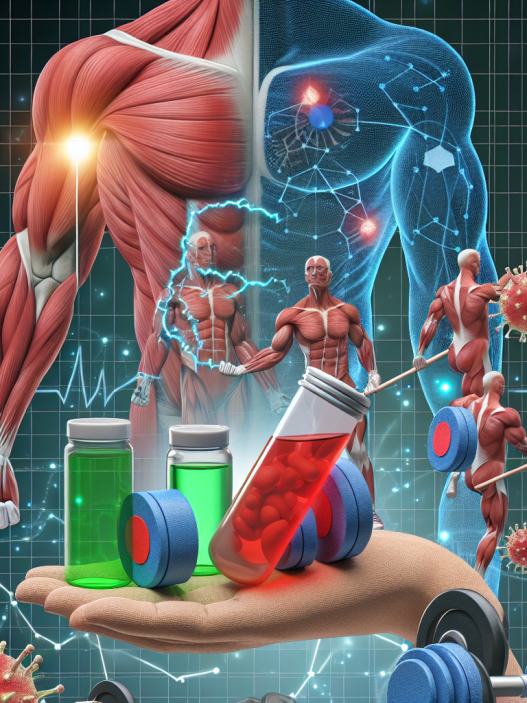
Peptides have gained significant attention in the health and fitness community for their potential role in promoting fat loss. These short chains of amino acids can stimulate biological processes in the body that contribute to decreased body fat, enhanced metabolism, and improved body composition. Understanding how peptides work can provide valuable insights for those looking to lose weight effectively.
In the catalog of https://steroidsuk-buy.com/ you will find both injectable and oral steroids from reputable manufacturers.
Mechanisms of Action
Peptides support fat loss through several mechanisms, including:
- Increased Growth Hormone Release: Certain peptides, such as GHRP and CJC-1295, stimulate the pituitary gland to release more growth hormone, which plays a crucial role in fat metabolism.
- Enhanced Fat Oxidation: Some peptides can increase the rate at which the body burns fat for energy, helping to promote a leaner physique.
- Appetite Regulation: Peptides like PYY and GLP-1 can help control appetite, leading to reduced caloric intake and, ultimately, weight loss.
Benefits of Peptide Use in Weight Loss
Incorporating peptides into a weight loss regimen can offer multiple benefits beyond just fat loss:
- Improved Muscle Retention: While losing fat, peptides can help preserve lean muscle mass, ensuring that weight loss comes primarily from fat, not muscle.
- Faster Recovery Times: Many users report better recovery from workouts when using peptides, allowing for more intense training sessions and more calories burned.
- Better Overall Health: Some peptides have anti-aging properties and contribute to improved overall health, which can make a weight loss journey more sustainable.
Conclusion
Peptides offer a promising avenue for those seeking to enhance their fat loss efforts. By understanding the mechanisms through which they operate and integrating them into a balanced lifestyle, individuals can achieve their weight loss goals more efficiently. However, it is crucial to approach their use with caution and ideally under the guidance of a healthcare professional.